
URBAN DESIGN · PLANNING · LANDSCAPE · ENVIRONMENTAL
Planning and design
for resilient places.
Make informed decisions about land, water and development. We combine planning, design and spatial insight to help government, councils, iwi and developers understand constraints and opportunities, respond to natural hazards and plan for long-term resilience.


OUR FOUR DISCIPLINES
Expertise for the decisions ahead.
From site options to wider strategies, we bring design, planning and spatial evidence together with local knowledge and consultation. Each project draws on the disciplines it needs.
Urban Design
Shape how homes, streets and shared spaces work together. Masterplans, urban design assessments and design guidelines help you test options and develop a coherent proposal.
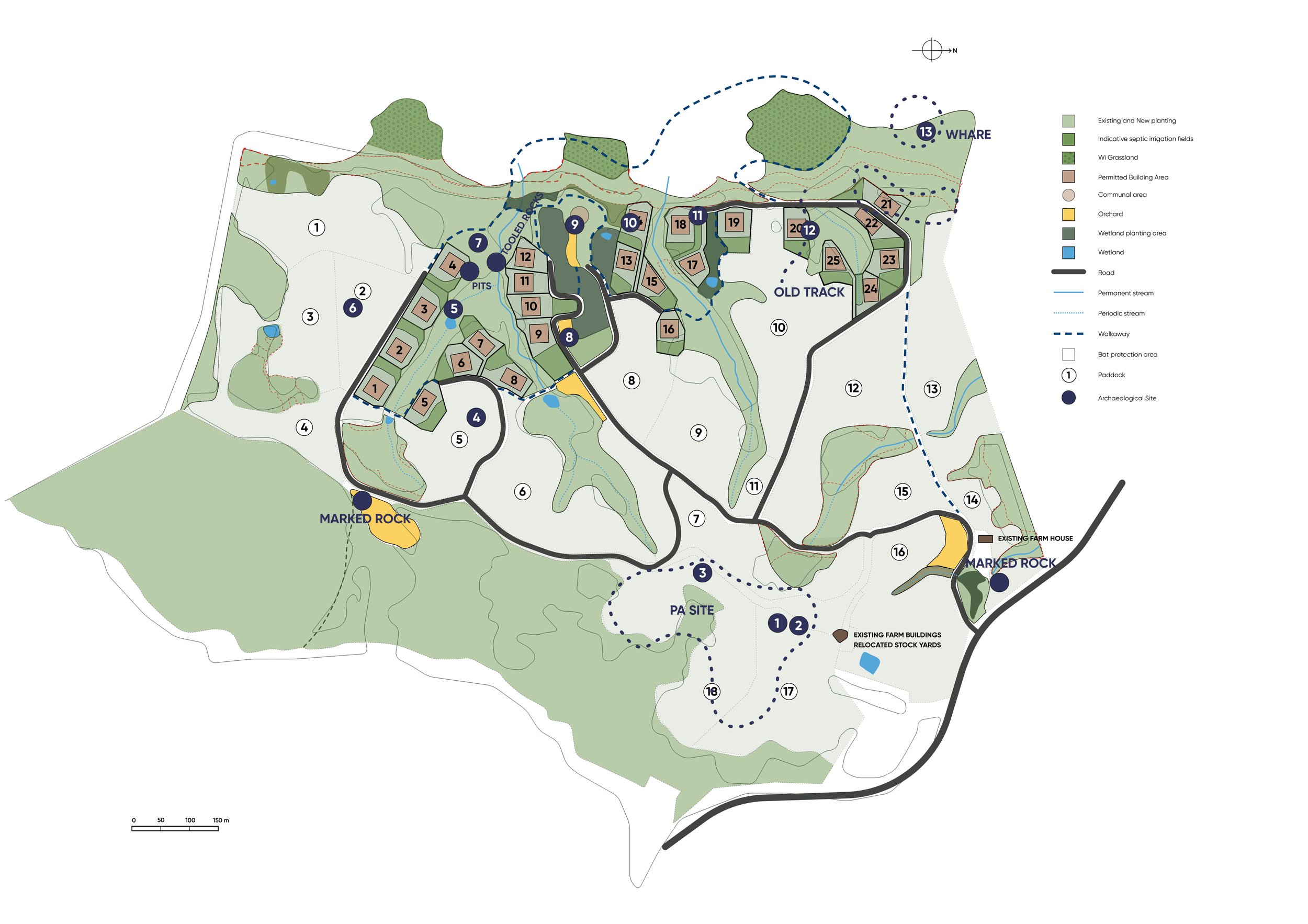
Whirinaki: papakāinga masterplanning →
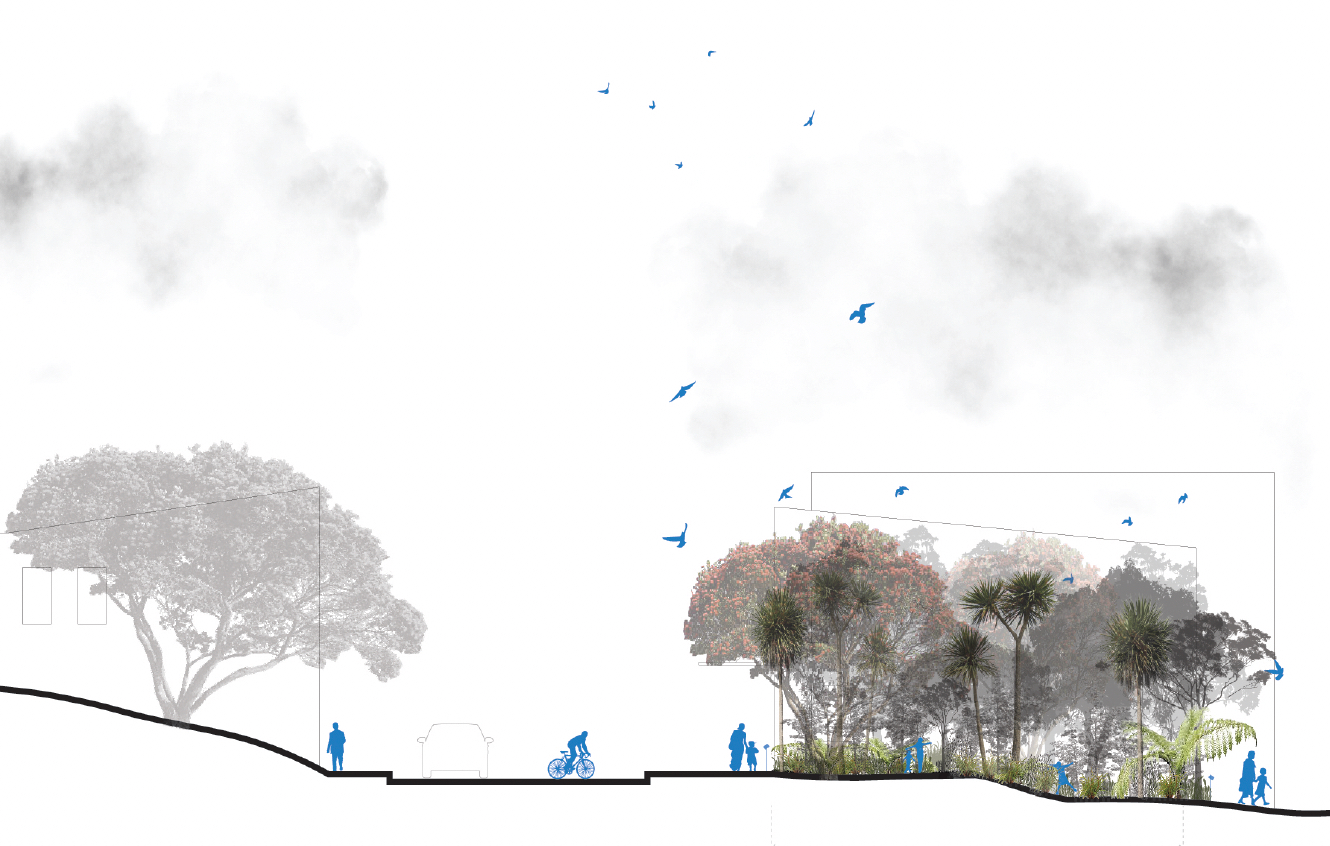
Street typologies: people, trees and water →
Goodland: urban design guidelines →
Planning
Understand what is feasible and how to proceed. We assess constraints, opportunities and changing planning requirements, prepare consent documentation and coordinate engagement and specialist input.
Whirinaki: first 12 homes consented →
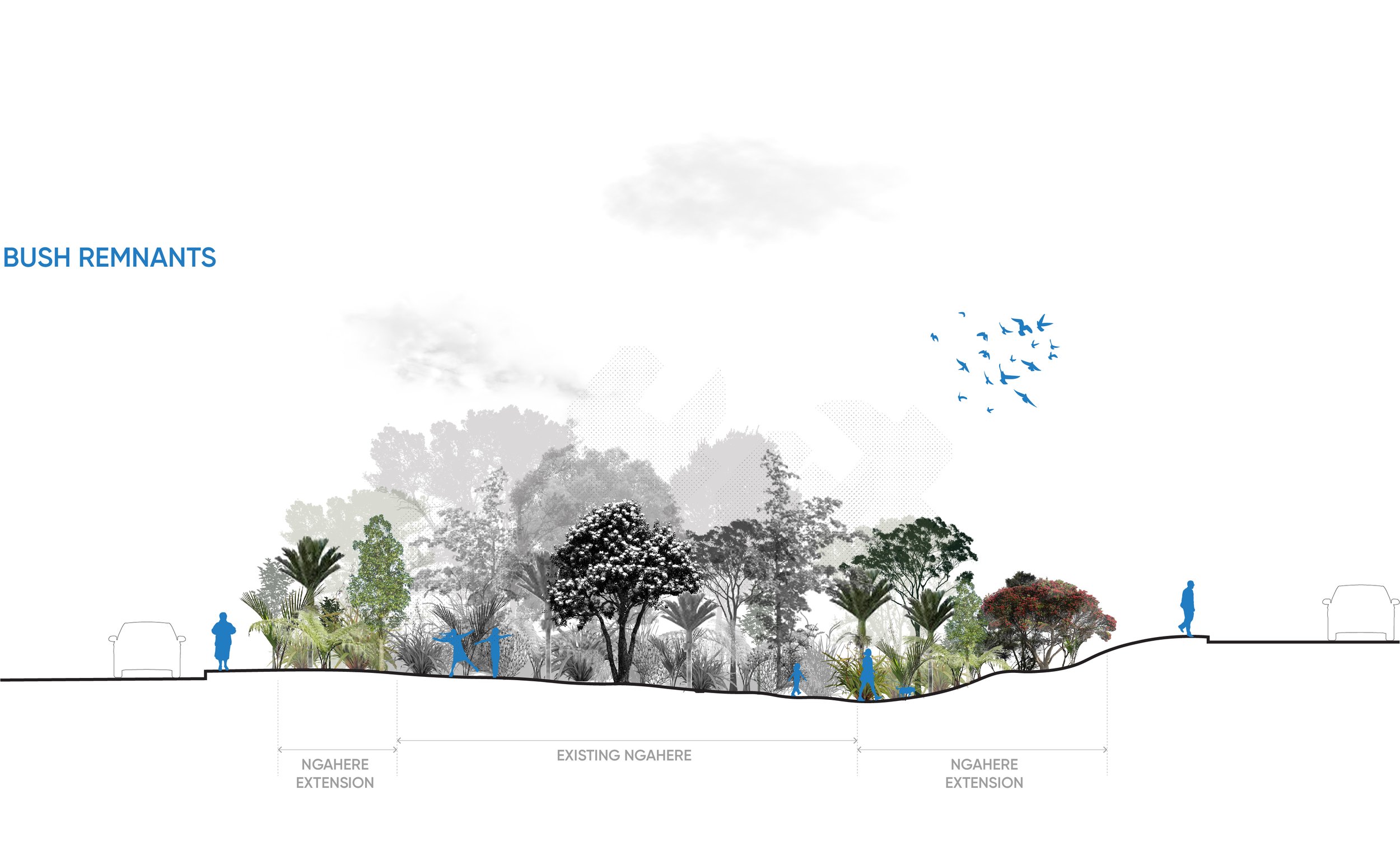
Ngahere Framework: policy into practice →
Goodland: resource consent support, ongoing →
Landscape
Plan landscapes that support people, water and biodiversity. Landscape concepts, planting strategies and tree infrastructure plans connect site conditions with long-term use, care and regeneration.
Te Huruhi: landscape for learning →
Te Ararata: tree infrastructure planning →
Pukekawa: planting and management strategy →
Environmental
Prioritise action for nature and climate resilience. GIS, remote sensing, blue-green network assessments, feasibility studies and monitoring inform decisions about natural hazards, waterways, vegetation and public spaces.
Central Library: living roof monitoring →
Aotea Centre: nature-based solutions feasibility →
Tāmaki Makaurau: tree planting priorities →

FOR GOVERNMENT
Put policy into practice.
Translate strategic goals and changing planning requirements into guidance that project teams can use. We develop planning frameworks, design guidance and spatial assessments to support consistent decisions about places and public investment.
Te Ararata: coordinated tree infrastructure →
Ngahere Framework: policy into practice →
Kāinga Ora: open space guidance →
FOR COUNCILS
Make investment count.
Plan for growth, healthy waterways and long-term resilience. GIS, remote sensing and blue-green network planning bring catchments, hazards, vegetation and public spaces into a connected view. Spatial assessments, feasibility studies and monitoring help you prioritise action and understand trade-offs.
Central Library: living roof monitoring →
GD19: stormwater and tree guidance →
Aotea Centre: nature-based solutions feasibility →
Tāmaki Makaurau: tree planting priorities →
FOR IWI & HAPŪ
Your aspirations. Your direction.
Planning, design and technical support for whenua, communities and te taiao, shaped around your priorities. We work alongside you to explore options for homes, shared spaces, whenua restoration, climate adaptation and economic development, developing frameworks and proposals that support your vision.
Whirinaki: urban design, adaptation and economic development →
Te Ahiwaru: spatial and design support →
FOR DEVELOPERS
Know what your site can become.
Understand what is feasible before committing to the next stage. We assess current and proposed planning provisions, site constraints and potential hazard exposure, then bring masterplanning, urban design, landscape and consent support together around your project.
Whirinaki: masterplanning and first 12 homes consented →
Te Ararata: integrating trees into development →
Goodland: urban design and consent support, ongoing →


RECENT WORK
From regional priorities to practical guidance.
Blue-green networks
Auckland Council · Regional framework development ongoing
Connecting waterways, vegetation and public spaces to inform ecological restoration, access to nature and climate resilience. Recent work includes regional framework development, a Tātaki Auckland Unlimited venue portfolio assessment and a Manurewa assessment informing street-tree planting priorities.
Explore our spatial and environmental capability →
Living roof opportunities and recommendations
Auckland Council · TR2026/9 · September 2026
Local evidence and practical recommendations to support living roof uptake in Tāmaki Makaurau. Led by Zoë Avery and Jonathon Avery with mana whenua, council, research and industry contributors. We ran expert consultation, managed delivery and created much of the design work and imagery.
Explore the project → Read the published report →
Structural soil tree pits · GD19
Auckland Council · Published November 2025
Practical guidance for integrating stormwater management with healthy urban trees. Co-authored with Tektus. We ran expert consultation, managed document delivery and created much of the design work and imagery.

OUR COMMITMENT
Resilient urbanism.
Ki uta ki tai. From the mountains to the sea.
Our regenerative approach recognises the connections between land, water, ecosystems and people across the catchment. We look for opportunities to restore ecological function, strengthen biodiversity and support healthy communities. Our eight principles are permeability, legibility, concentration, diversity, sustainability, identity, accessibility and robustness.
Our work aligns with the UN Sustainable Development Goals: sustainable cities, health and wellbeing, responsible consumption, climate action, partnerships, reduced inequality and gender equality.
We aim to reduce our footprint through fewer flights and vehicle trips, walking, cycling and public transport, and careful use of energy and resources. Our past support for Forest & Bird includes donations in 2022, 2023 and 2024.